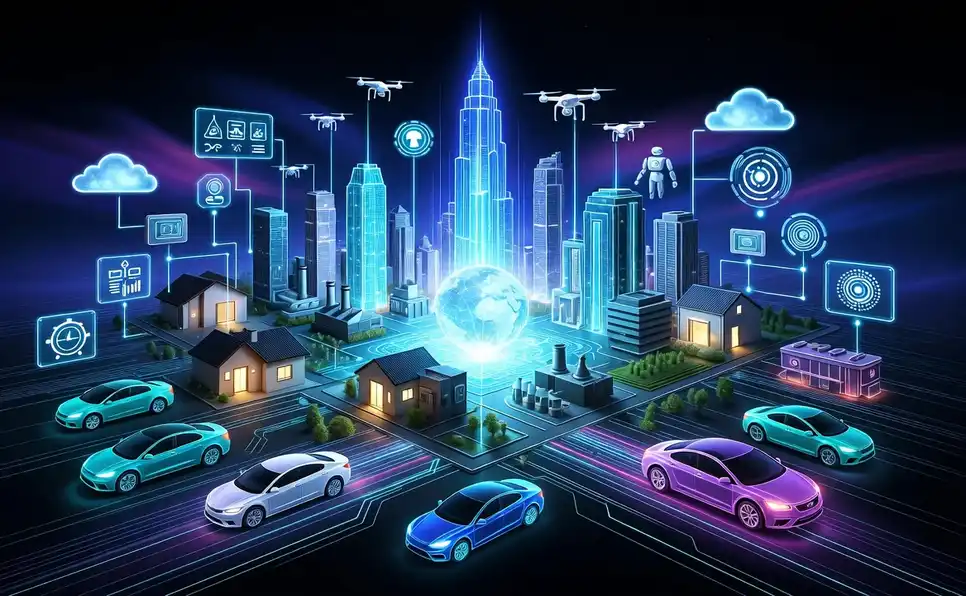
Technology is becoming smarter every year, and devices that once worked independently can now communicate with each other through the internet. From smart watches and home assistants to connected cars and industrial machines, modern devices are changing the way people live and work. In this rapidly advancing digital era, TechInGot explains Internet of Things (IoT) Technology in a simple and beginner-friendly way. IoT Technology is one of the most important innovations of the modern age because it allows everyday devices to connect, collect data, and interact without constant human involvement.
The Internet of Things is transforming homes, businesses, healthcare, transportation, and even entire cities. As more devices become connected, IoT Technology continues to create new opportunities for convenience, efficiency, and innovation.
What Is Internet of Things (IoT) Technology?
The Internet of Things, commonly known as IoT, refers to a network of physical devices that are connected to the internet and capable of collecting, sharing, and processing data.
These devices contain sensors, software, and communication technologies that allow them to interact with users and other devices.
Examples of IoT devices include:
- Smart watches
- Fitness trackers
- Smart TVs
- Smart refrigerators
- Home security cameras
- Smart speakers
- Connected vehicles
- Industrial sensors
Instead of requiring manual operation for every task, IoT devices can perform actions automatically based on collected data and predefined settings.
How IoT Technology Works
IoT Technology works through a combination of connected devices, sensors, software, and internet connectivity.
The process generally follows these steps:
Data Collection
Sensors gather information from the environment.
Examples include:
- Temperature readings
- Motion detection
- Heart rate monitoring
- Vehicle location tracking
Data Transmission
The collected data is sent through the internet or wireless networks to cloud platforms or data centers.
Data Processing
Software systems analyze the information and determine appropriate actions.
Action Execution
Based on the processed data, devices may perform specific tasks automatically.
For example, a smart thermostat can adjust room temperature without user intervention.
This entire process often happens within seconds.
Benefits of IoT Technology
IoT Technology provides numerous advantages for individuals and organizations.
Improved Convenience
Smart devices automate everyday tasks and make life easier.
For example, smart lighting systems can turn lights on or off automatically when someone enters or leaves a room.
Increased Efficiency
Businesses use IoT systems to improve productivity and reduce waste.
Connected machines can monitor performance and identify issues before major failures occur.
Better Decision-Making
IoT devices generate valuable data that helps organizations make informed decisions.
Real-time information improves planning and operational efficiency.
Cost Savings
Automation and predictive maintenance reduce operating expenses and equipment downtime.
Enhanced Safety
Connected security systems can detect unusual activity and alert users immediately.
IoT Technology in Smart Homes
One of the most visible applications of IoT Technology is the smart home.
Smart homes use connected devices to improve comfort, convenience, and security.
Popular smart home devices include:
Smart Speakers
Devices like voice assistants can answer questions, play music, and control other smart devices.
Smart Thermostats
These devices automatically adjust temperatures based on user preferences and weather conditions.
Smart Lighting
Lights can be controlled remotely through mobile apps or voice commands.
Smart Security Systems
Connected cameras, doorbells, and sensors help homeowners monitor their property from anywhere.
Smart home technology continues to become more affordable and widely available.
IoT Technology in Healthcare
Healthcare is one of the most important sectors benefiting from IoT innovation.
Connected medical devices improve patient monitoring and healthcare delivery.
Examples include:
Wearable Health Devices
Fitness bands and smart watches track:
- Heart rate
- Sleep patterns
- Physical activity
- Blood oxygen levels
Remote Patient Monitoring
Doctors can monitor patients from a distance using connected medical equipment.
This reduces hospital visits and improves healthcare access.
Smart Medical Equipment
Hospitals use IoT-enabled devices to improve treatment accuracy and patient care.
IoT Technology helps healthcare providers make faster and more informed decisions.
IoT Technology in Transportation
Transportation systems are becoming smarter through IoT integration.
Connected vehicles and infrastructure improve efficiency and safety.
Examples include:
Vehicle Tracking Systems
Businesses monitor vehicle locations in real time.
Smart Traffic Management
IoT sensors help reduce congestion by optimizing traffic signals.
Connected Cars
Modern vehicles collect and analyze data to improve navigation, fuel efficiency, and safety.
Future transportation systems will rely heavily on IoT connectivity.
IoT Technology in Agriculture
Agriculture is another sector experiencing significant transformation through IoT.
Farmers use connected devices to monitor crops, livestock, and environmental conditions.
Applications include:
Smart Irrigation
Sensors monitor soil moisture and automatically control watering systems.
Weather Monitoring
Connected devices provide real-time weather information for better planning.
Livestock Tracking
Farmers can monitor animal health and movement through IoT-enabled devices.
These innovations help improve productivity while reducing resource waste.
Industrial Internet of Things (IIoT)
Industrial IoT, often called IIoT, focuses on connected systems within manufacturing and industrial environments.
Factories use IoT devices to:
- Monitor machinery
- Predict maintenance needs
- Improve production efficiency
- Reduce downtime
- Enhance workplace safety
IIoT is a major component of Industry 4.0, the modern era of smart manufacturing.
Security Challenges in IoT Technology
While IoT offers many benefits, security remains one of its biggest challenges.
Connected devices can become targets for cybercriminals if proper protection measures are not implemented.
Common IoT security risks include:
Weak Passwords
Many devices use default passwords that attackers can easily exploit.
Unsecured Networks
Poor network security increases vulnerability to attacks.
Data Privacy Concerns
IoT devices collect large amounts of personal information.
Protecting this data is essential.
Software Vulnerabilities
Outdated firmware and software can expose devices to security threats.
Manufacturers and users must prioritize security to ensure safe IoT adoption.
Future Trends in IoT Technology
The future of IoT Technology is extremely promising.
Several trends are expected to drive growth in the coming years.
Smart Cities
Cities will use connected systems to improve:
- Traffic management
- Waste collection
- Energy usage
- Public safety
Artificial Intelligence Integration
AI will help IoT devices make smarter decisions and automate complex tasks.
5G Connectivity
Faster 5G networks will improve communication between connected devices.
Edge Computing
Processing data closer to devices will reduce delays and improve performance.
These developments will expand IoT capabilities across industries.
Career Opportunities in IoT Technology
The growing adoption of IoT is creating exciting career opportunities.
Popular IoT-related careers include:
- IoT Developer
- IoT Solutions Architect
- Embedded Systems Engineer
- Data Analyst
- Network Engineer
- Cybersecurity Specialist
- Cloud Engineer
As organizations continue investing in connected technologies, demand for skilled professionals is expected to rise significantly.
Learning IoT concepts today can help students and professionals prepare for future opportunities.
Conclusion
Internet of Things (IoT) Technology is changing the way people interact with devices, businesses operate, and cities function. By connecting physical objects to the internet, IoT creates smarter systems that improve efficiency, convenience, and decision-making.
From smart homes and healthcare to agriculture and transportation, IoT applications continue to expand across nearly every industry. While security and privacy challenges remain important concerns, ongoing technological advancements are making connected systems safer and more reliable.
As 5G, artificial intelligence, and cloud computing continue to evolve, IoT Technology will play an even greater role in shaping the future of the digital world.
Write for Us
Are you passionate about Internet of Things (IoT) Technology, smart devices, and digital innovation? Write for us at TechInGot and share your knowledge with readers who want to understand the future of connected technology. We welcome informative, well-researched, and easy-to-understand articles covering IoT applications, smart homes, industrial automation, cybersecurity, smart cities, and emerging technology trends. Whether you are a technology enthusiast, developer, engineer, or professional writer, your insights can help educate and inspire our growing audience. Write for us and become a valued contributor to TechInGot while building your reputation in the technology industry.