
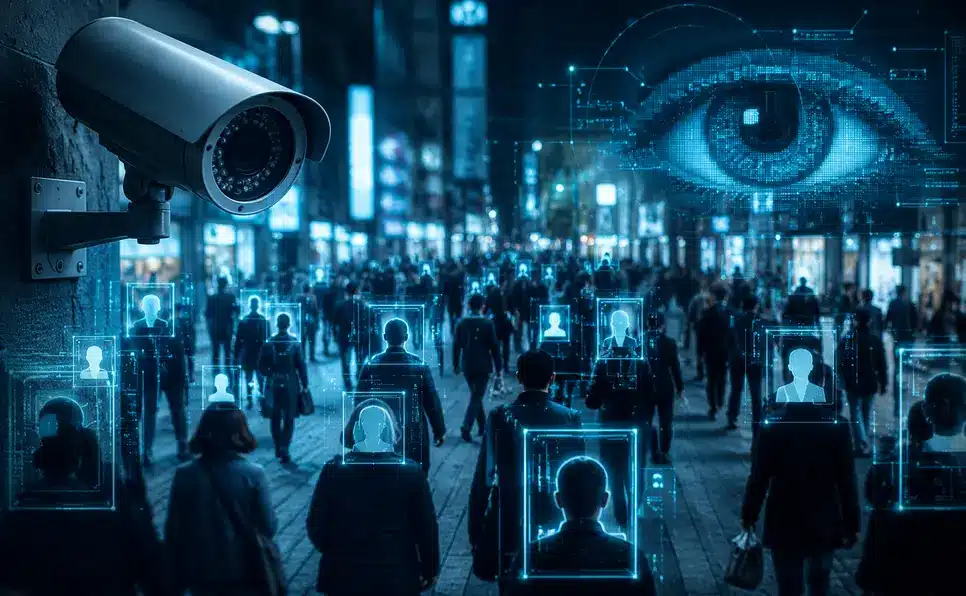
Most of us carry a phone, wear a smart watch, and talk to a smart speaker at home. Technology has become part of almost everything we do — how we work, how we stay in touch with people, and how we manage daily tasks. But along with all this comfort, there is a question a lot of people quietly ask themselves: are we being watched?
At TechInGot, we look at this question a lot, because the honest answer is not simple. Our phones, laptops, smart TVs, and smart home devices are almost always connected to the internet. That connection makes life easier, but it also means these devices are constantly collecting information about us.
That data helps companies improve the way their apps and services work. But it can also reveal very personal things — where we go, what we like, and who we talk to. Sometimes it really does feel like technology is quietly keeping an eye on us. A few everyday examples make this obvious:
- Your phone shows you an ad for something you only just talked about out loud.
- Social media suggests a person as a friend that you never searched for.
- A website seems to “remember” exactly what you looked at last time, even on a different device.
None of this is magic. It happens because companies are collecting and studying small pieces of your online behavior, all the time, usually without asking you directly each time it happens.
How Our Data Is Actually Collected
There are more ways companies gather personal information than most people realize. Here are the main ones:
- Cookies on websites — small files that track what you search for, which pages you open, and how long you stay on them.
- Apps on your phone — many ask for permission to use your location, camera, or microphone, sometimes for features that don’t even need that access.
- Social media platforms — these track likes, shares, comments, and even how long you pause on a post before scrolling past it.
- Smart home devices — speakers, doorbells, and smart TVs that listen or watch in order to respond to commands, but also send usage data back to the company that made them.
- Wearable health devices — smartwatches and fitness trackers collect heart rate, sleep, and location data, often around the clock.
- Biometric systems — fingerprint scanners, face recognition, and voice ID used in phones, airports, and workplaces to confirm who you are.
Most of the time, this data is used for advertising. Companies study your habits so they can show you ads that feel more relevant. But this same information can also be shared with other companies, sold to data brokers, or in some cases requested by government agencies.
Why This Should Matter to You
Privacy is a basic right, not a luxury. When people lose control over their personal information, a few real problems can follow:
- Fake accounts can be created using stolen personal details.
- Unwanted, overly targeted ads can follow you across every app and website you use.
- Identity theft becomes easier when enough personal data is exposed in one place.
- A “chilling effect” can set in, where people quietly change how they act or what they say online simply because they feel like they might be watched.
This last point is one that researchers on surveillance and privacy often highlight. When people believe they’re being monitored, many naturally hold back — they self-censor, avoid certain searches, or stop expressing opinions freely, even if nothing they were doing was wrong in the first place.
Simple Steps to Protect Your Privacy
The good news is that you don’t need to be a tech expert to take back some control. A few small, consistent habits make a real difference:
- Turn off location services when you’re not actively using them.
- Review and tighten the privacy settings on every social media account you use.
- Clear cookies and browsing history on a regular basis.
- Use a strong, unique password for each account — a password manager makes this easy.
- Turn on two-factor authentication wherever it’s offered.
- Avoid clicking on suspicious links, especially in texts or emails you didn’t expect.
- Check app permissions occasionally and remove access that a specific app doesn’t really need.
These small changes can make a big difference over time. None of them require special technical knowledge — just a few minutes of attention every so often. If you want a broader starting point for protecting yourself online, our guide on cybersecurity basics walks through the fundamentals in simple language.
Technology and Privacy in the Future
As technology keeps growing, so will the tools built to protect our data. Governments in many parts of the world are introducing stronger privacy laws, and big technology companies are under more pressure than ever to explain how they collect and use personal information. Even so, protecting your privacy is still partly a personal responsibility — staying alert and informed matters just as much as any law.
It also helps to understand how the companies building this technology actually approach security on their end. Our breakdown of how big tech handles cybersecurity threats shows what happens behind the scenes when companies try to keep massive amounts of user data safe — and where things can still go wrong.
The truth is, technology itself isn’t the villain here. It’s how it’s used, and by whom, that really matters. When companies and governments respect privacy and use data responsibly, technology can be both powerful and safe to use.
Frequently Asked Questions
Are we really being watched by our own devices?
In a limited but real sense, yes. Most phones, apps, and smart devices track parts of your behavior — location, searches, app usage — mainly to power features and target ads, not to spy on you personally, though the data collected is still very detailed.
Can I stop companies from collecting my data completely?
Not entirely, but you can significantly reduce it. Turning off unnecessary permissions, clearing cookies, and using privacy-focused browser settings all cut down what gets collected.
Is targeted advertising based on my microphone listening to me?
Most research points to advanced pattern-matching from your searches, location, and app activity rather than live microphone listening, though the end result can feel eerily similar.
What is a “data broker,” and should I worry about them?
A data broker is a company that collects personal information from many sources and sells it to advertisers or other businesses. They operate mostly out of public view, which is exactly why many privacy advocates consider them worth worrying about.
Do privacy laws actually protect ordinary people?
Regulations like the GDPR in Europe and various state-level laws in the US have improved transparency and given people more rights over their data, though enforcement and coverage still vary widely by country and even by state.
Final Thoughts
We live in a connected, globalized world. Technology brings huge benefits, but as we’ve seen, it also comes with real trade-offs for our privacy. Finding the right balance between the two is the smart way forward — not avoiding technology altogether, and not ignoring the risks either.
Stay informed, use the privacy tools available to you, and manage your personal data actively rather than passively. Do that, and you can enjoy everything modern technology offers without constantly wondering whether someone is watching over your shoulder.
For more on protecting yourself from common online threats beyond privacy tracking, see our guide on which functions a cybersecurity framework actually covers.